Essential Oils for Sleep: What Actually Works
If you have ever lain awake at midnight scrolling through sleep tips, you have probably read that essential oils can help. The honest version is more useful than the marketing version. Essential oils will not knock you out like a sleeping tablet. What they can do, when used properly, is give your brain a repeatable signal that the day is finishing, and that signal makes it easier to fall asleep and stay asleep.
The science is quietly encouraging. Small studies on lavender oil, in particular, have shown modest improvements in sleep quality, how quickly people fall asleep, and how rested they feel the next morning. The effect is not dramatic. It is real, gentle, and cumulative. Used most nights, alongside sensible sleep habits, a good essential oil routine is one of the cheapest and most pleasant sleep upgrades you can make.
The three oils worth trying first
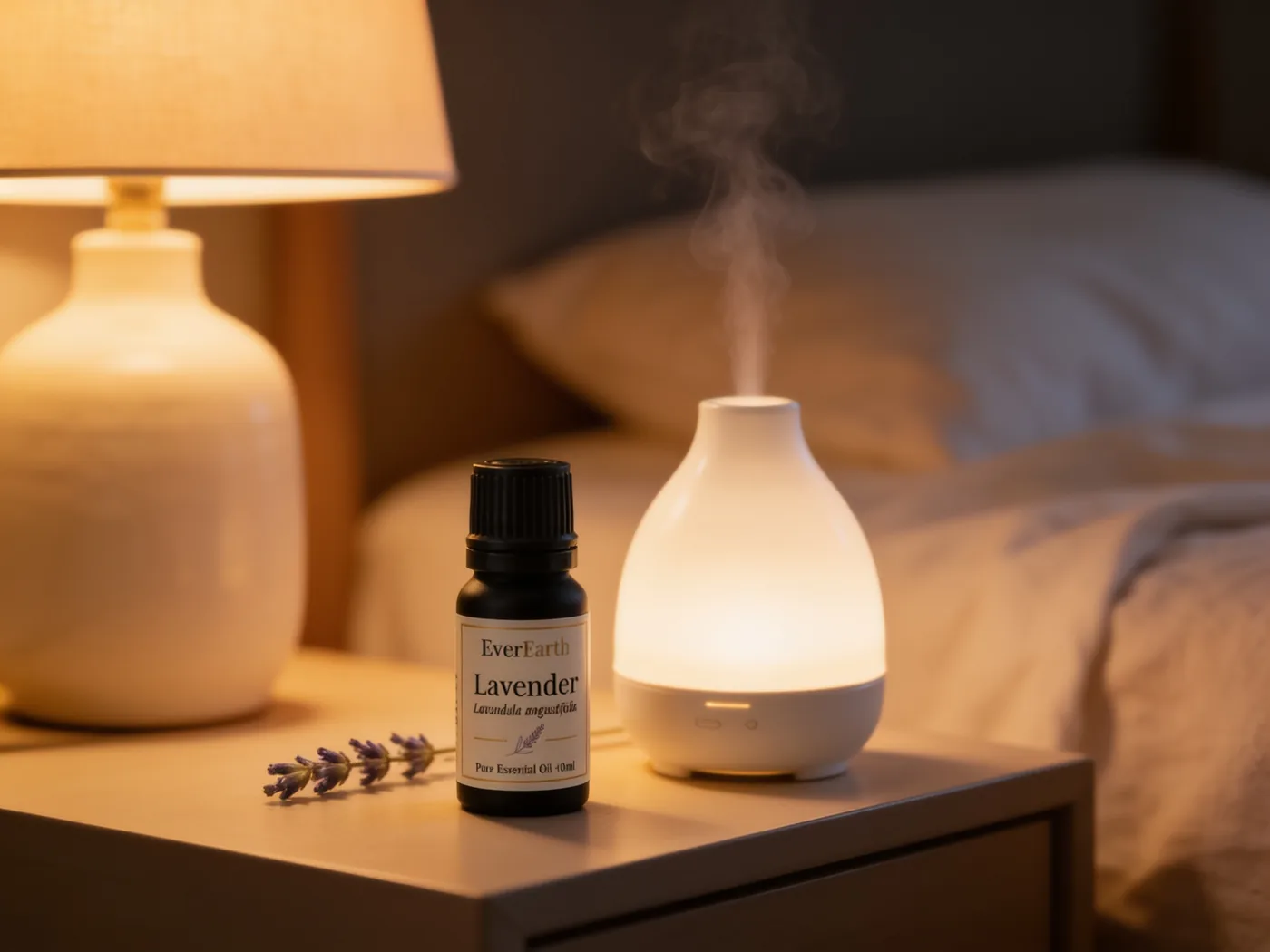
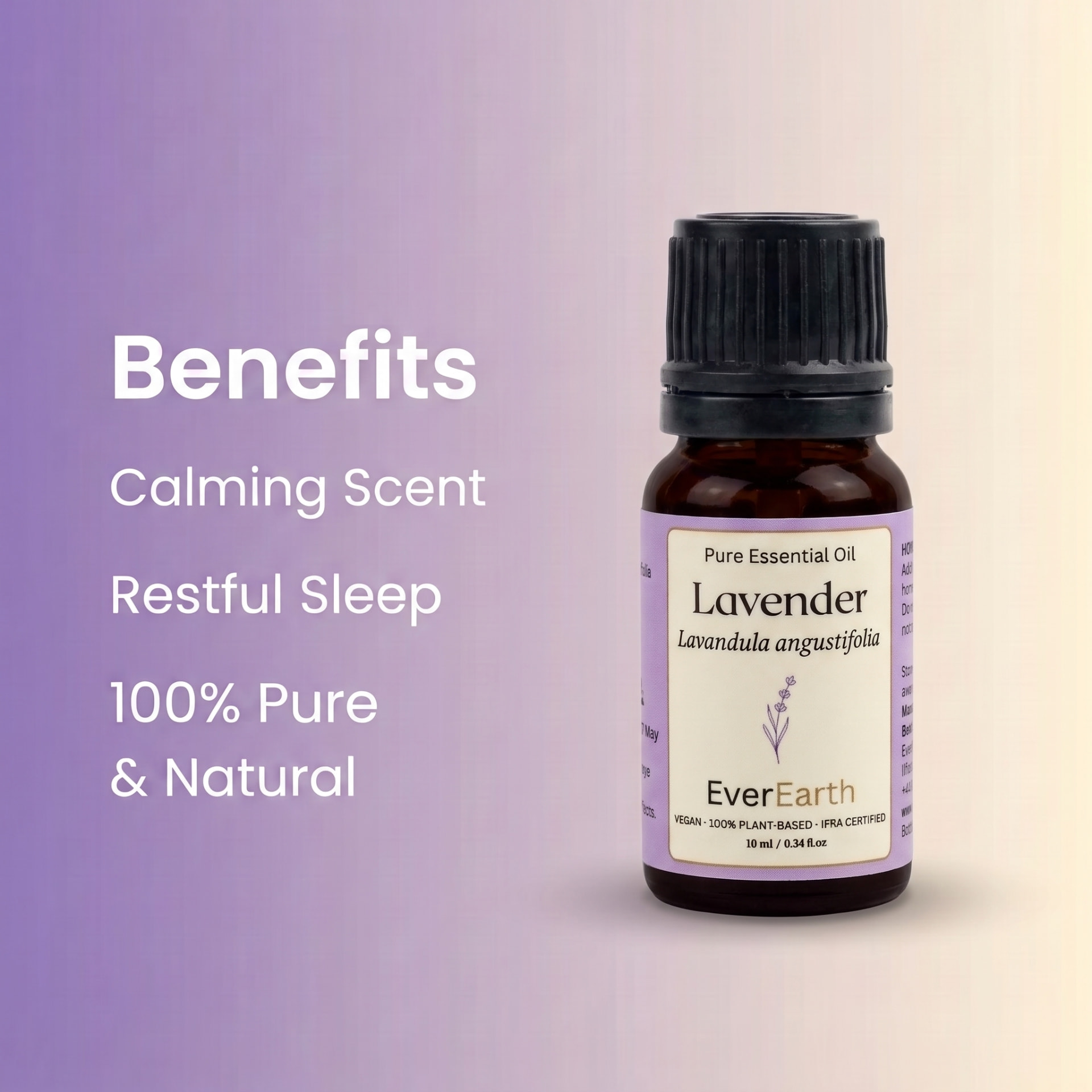
Lavender is the obvious starting point. It is soft, floral, slightly powdery, and the most studied oil for sleep. Look for pure single-origin lavender rather than a blend, so you know exactly what you are putting into the room.
Jasmine is the second one to try. It is warm, gently sweet, and pairs beautifully with lavender to take the edge off anything that reads as too herbal. Citrus oils are sometimes dismissed as morning scents, but jasmine is soft enough to belong at bedtime.
Eucalyptus is the third, and slightly different. It will not sedate you, but if congestion or a heavy head is what is keeping you awake, a couple of drops of eucalyptus opens things up so breathing feels easier. It is a supporting oil, not a lead.
How to use them
The easiest and safest method is a small ultrasonic diffuser on the bedside table. Fill the tank to the line, add three drops of lavender and two of jasmine, and set the timer for thirty minutes. You do not need the diffuser running all night. Thirty minutes is enough to scent the room, and the aroma lingers for another half hour as you fall asleep.
If you do not have a diffuser, a single drop of lavender on a cotton pad tucked inside the pillowcase (not directly on the pillow) is a workable alternative. The scent stays local, mild, and personal.
The routine that actually moves the needle
The oil is only half the point. The other half is repetition. Your brain responds to scent as a cue faster than almost any other signal, but only once it has learned the association. That means using the same blend, at the same time, for the same forty minutes, four or five nights in a row before you decide whether it works.
A simple sequence: drop the room lights an hour before bed, start the diffuser, put your phone in another room, and read something on paper for twenty minutes. Do that for a week. By night four or five, the scent alone will start pulling your nervous system into wind-down mode.
What to avoid
Skip synthetic fragrance oils marketed as sleep blends. They smell like lavender but do not behave like it, and many are simply perfume dissolved in a carrier. Skip anything you would apply neat to skin, essential oils are meant for the air, not undiluted contact. And skip the trap of running the diffuser for eight hours. Your nose adapts within minutes, so more oil is not more benefit, it is just more oil.
The honest expectation
A good essential oil routine will not fix poor sleep caused by a busy day, caffeine after 3pm, or a bedroom that is too warm. It will make an already reasonable evening feel calmer, and it will help your brain switch off ten or fifteen minutes sooner. Multiply that across a week and it is a real difference.
Start with lavender, add jasmine when you want warmth, and give the routine at least five nights before you judge it. That is the whole method.