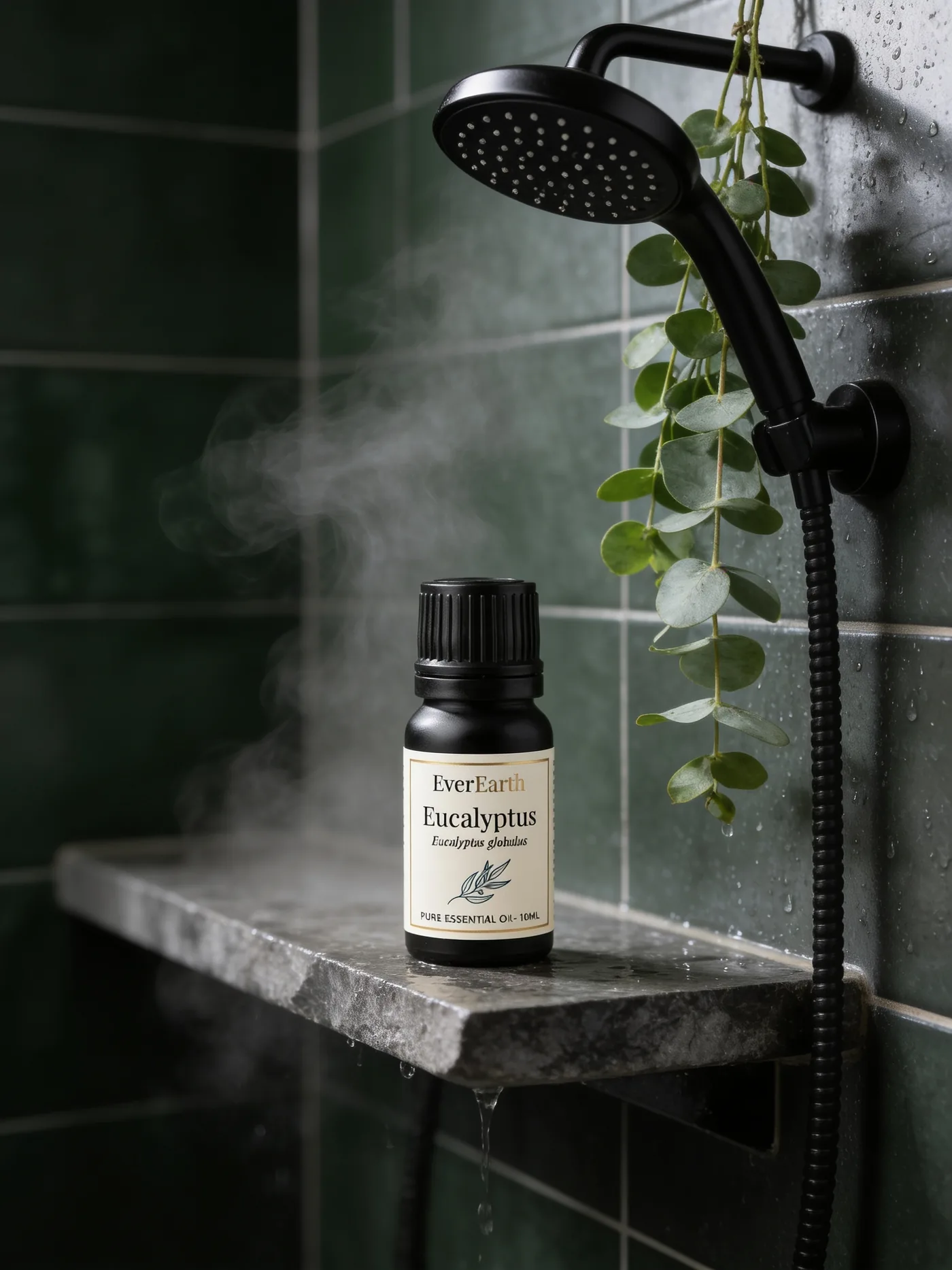
Essential Oils for Cleaning: Natural Recipes That Actually Work
Most cleaning products are sold on the promise of killing everything in sight. The honest truth is that a good cleaner's main job is to lift dirt, grease and grime, and leave a space smelling fresh. Essential oils do not replace hospital-grade disinfectants, but they do make natural cleaning feel intentional and pleasant. A few drops of lemon, tea tree or eucalyptus in a simple spray bottle turns a boring chore into something that smells like a home that has been cared for.
The appeal is simple. You know exactly what is in the bottle, you avoid the synthetic fragrance that lingers in your throat for hours, and you can refill the same spray bottle for months. The cost per use is tiny, and the recipes are easy enough to memorise after the first go.
The three best essential oils for cleaning
Lemon is the obvious starting point. It is bright, sharp, and immediately reads as clean. The natural limonene in lemon oil cuts through the smell of grease and cooking residue, which is why it works so well in kitchens. A couple of drops in a spray bottle of water and vinegar leaves worktops smelling like sunlight rather than chip fat.
Tea tree is the second. It has a strong, medicinal, slightly earthy aroma and genuine antimicrobial properties. It is the one to reach for in bathrooms, around bins, and anywhere you want the room to smell like it has been properly cleaned rather than just masked. It is powerful, so you do not need much.
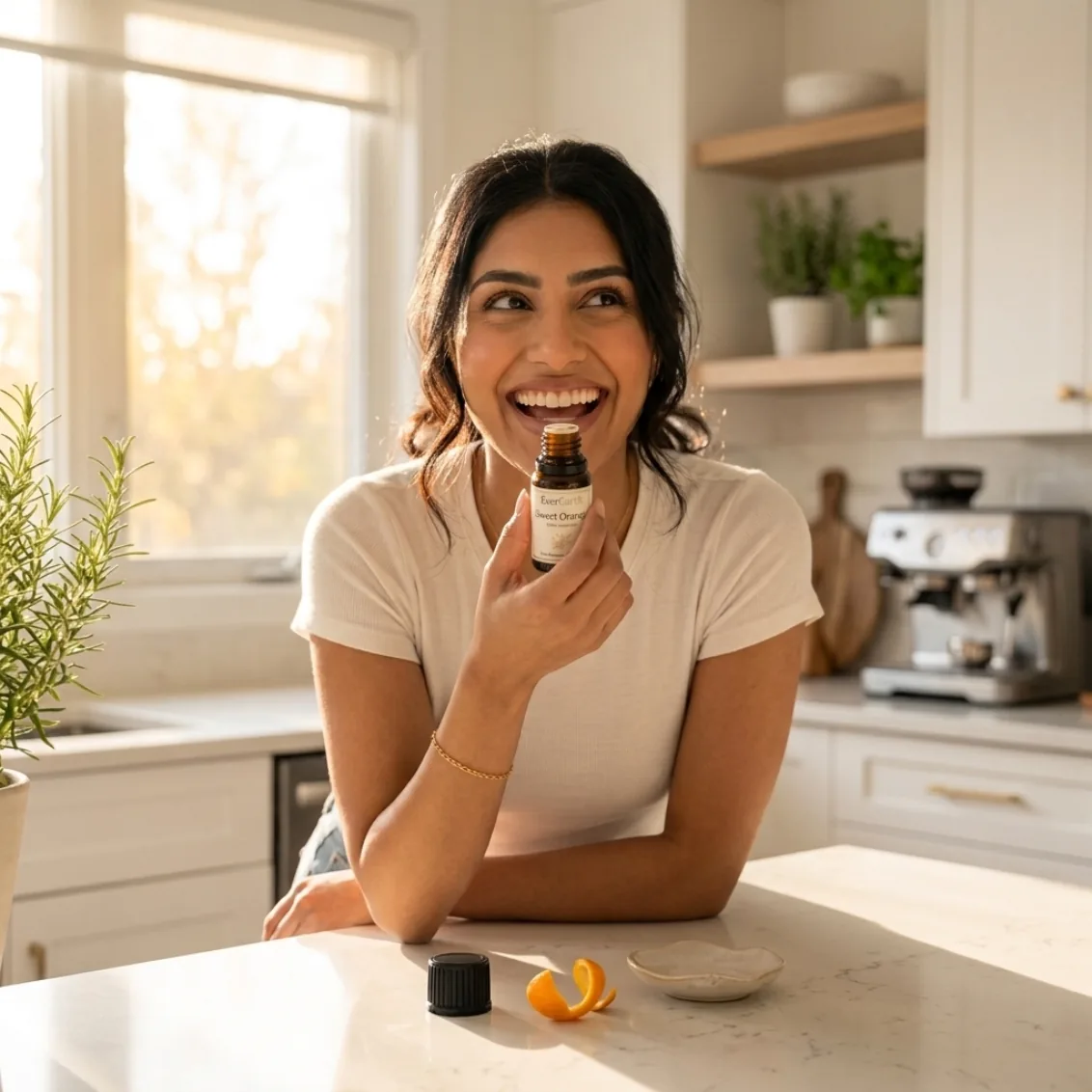
Eucalyptus is the third. It is fresh, camphorous and cooling, and it clears the air in a way that feels almost physical. It is excellent for bathrooms, toilets, and the areas where moisture hangs around. It also pairs beautifully with lemon for a fresh, spa-like scent that never feels synthetic.
Three simple cleaning recipes
**All-purpose kitchen spray.** Fill a 500ml spray bottle with 400ml water, 100ml white vinegar, and ten drops of lemon essential oil. Shake before each use. This is for worktops, sinks, cooker hoods, and the outside of the fridge. Do not use it on granite or marble, the acid in the vinegar can etch stone over time.
**Bathroom wipe spray.** In a 250ml spray bottle, mix 200ml water, two tablespoons of rubbing alcohol, five drops of tea tree, and five drops of eucalyptus. Shake well. Spray onto a microfibre cloth and wipe sinks, taps, and shower screens. The alcohol helps it dry quickly, the oils leave the room smelling clean and open.
**Bin freshener.** Add two drops of tea tree and two drops of lemon to a cotton pad or a small square of kitchen roll. Drop it into the bottom of an empty kitchen bin before you replace the liner. It will not stop food from smelling, but it stops the bin itself from developing that stale, lingering odour.
How to use them safely
Always dilute. Essential oils are concentrated plant extracts, and a few drops in a full bottle of water is plenty. More oil does not mean more cleaning power, it just means more scent, and some oils can irritate skin or airways if they are overused in a small room.
Shake before use. Oil and water do not mix, so the drops will float until you shake the bottle. A quick shake before each spray distributes the oil evenly and keeps the scent consistent from the first squirt to the last.
Label your bottles. A plain glass spray bottle with no label is a recipe for confusion. Write the contents and the date on a piece of masking tape. Freshly made sprays last about three to six months before the scent starts to fade.
What not to do
Do not expect essential oils to disinfect like bleach. They can reduce certain microbes and make a surface smell wonderful, but they are not a replacement for proper hygiene when someone in the house is unwell. If you need medical-grade sanitisation, use the appropriate product and save the oils for everyday freshness.
Do not add essential oils to hot wax or a burning candle. They are flammable, and the heat destroys the scent before it has a chance to fill the room. If you want scent while you clean, use a diffuser in a nearby room instead.
Be careful with tea tree around cats. Cats process some plant compounds differently from humans, and tea tree is one to be cautious with. If you diffuse or spray with tea tree, make sure the room is well ventilated and your cat can leave the space.
Storage and shelf life
Keep your oils in a cool, dark cupboard, tightly closed. Sunlight and heat age essential oils faster than anything, so a dark glass bottle in a kitchen cupboard away from the oven is ideal. A well-stored bottle of lemon, tea tree or eucalyptus will last around two years.
Homemade sprays should be used within six months. After that the aroma weakens and the water can start to smell flat. If you notice cloudiness or an off smell, tip it down the sink and make a fresh batch. It takes less than a minute.
Cleaning with essential oils is not about perfection. It is about making the small, repeated tasks of home care feel a little more considered. A lemon-scented kitchen, a eucalyptus-fresh bathroom, and a bin that does not smell like last week's dinner. That is the whole point, and it is a nice point to reach.