The Best Essential Oils for a Diffuser (UK Guide, With Drop Counts and Blends)
If you have just bought a diffuser, the honest answer to "which essential oils are best" is: the four or five that match the jobs you actually need doing. A diffuser is not a perfume shop. It is a small machine that turns water and a few drops of plant oil into cool mist, and the oils that suit it best are the ones that stay pleasant in a room for half an hour without turning heavy.
This guide covers the oils we would put in a first diffuser kit, how many drops each one needs, the blends worth copying, and the small habits that keep the mist clean. Everything below is written for a normal UK home: a living room, a bedroom, a small kitchen, radiators on in winter and windows open in summer.
The short answer
For most people, five oils cover almost everything: Lavender for evenings, Peppermint for focus, Eucalyptus for a blocked-up head, Lemon for freshening a room, and Tea Tree for anywhere that needs to smell properly clean. Add Jasmine or Ylang Ylang if you want warmth and depth rather than freshness. That is a complete diffuser wardrobe, and at £4.99 a bottle it is a smaller outlay than a single scented candle of any quality.
The best essential oils for a diffuser, and what each one is for
**Lavender.** The most forgiving oil in any range. Soft, powdery, slightly sweet, and hard to overdose. Best in bedrooms and living rooms in the last hour of the day. Three to four drops in a 200ml tank.
**Peppermint.** Sharp, cold and instantly recognisable. It is the oil people reach for at a desk, mid afternoon, when concentration has gone. Assertive, so start at two drops and go up only if you want it stronger.
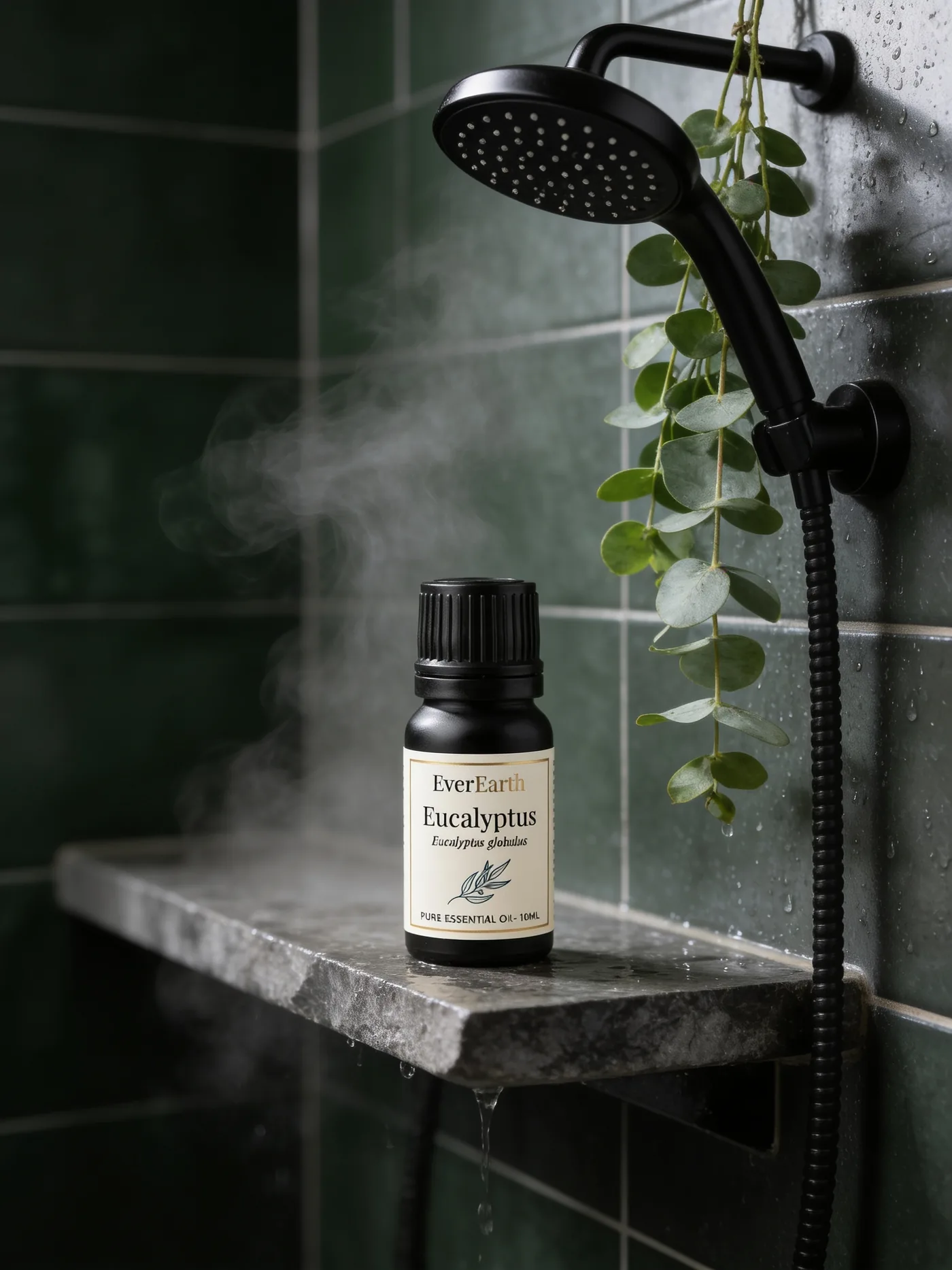
**Eucalyptus.** Clear and camphorous. This is the winter oil: a stuffy head, a dry bedroom, a bathroom after a shower. Two to three drops is plenty, and it pairs unusually well with steam.
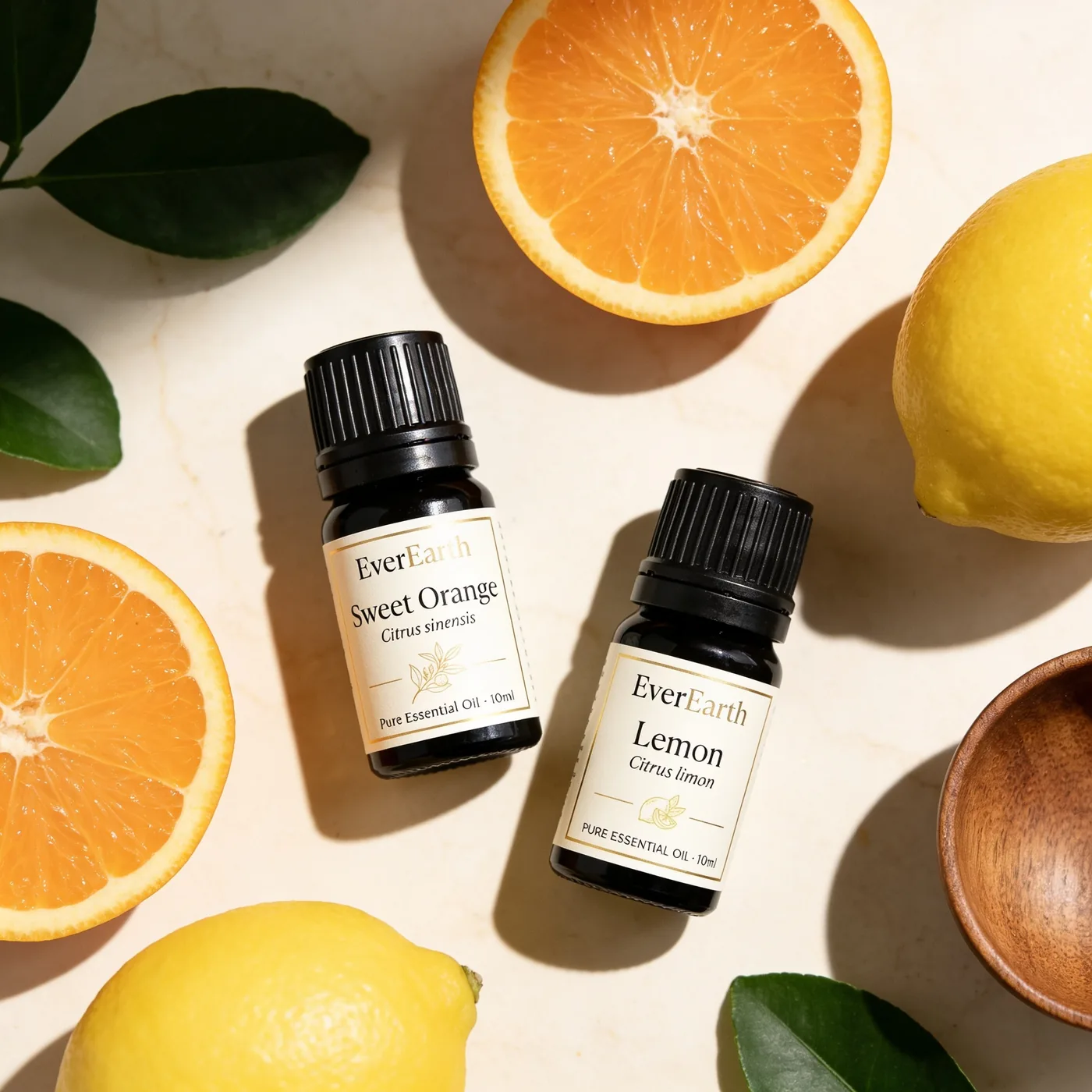
**Lemon.** Bright, clean and cheerful. Lemon is the fastest way to make a room feel aired without opening a window in January. Three drops, and it lifts almost any blend it joins.
**Tea Tree.** Medicinal in the best sense. Diffused in a kitchen or utility room it reads as "just cleaned" rather than "perfumed". Two drops, usually with lemon.
**Rosemary.** Herbaceous and green, a slightly softer alternative to peppermint for working hours. Two to three drops.
**Geranium and Clary Sage.** Both floral but not sugary. Good middle notes: they round off a blend that feels too sharp on its own.
**Jasmine, Ylang Ylang, Amyris and Patchouli.** The warm, grounding end of the shelf. These are evening oils, deep and resinous or heady and floral. Use them sparingly, one or two drops, because they hold in a room far longer than citrus does.
How many drops to use in a diffuser
The rule that has never failed us: three to five drops per 200ml of water. Fill to the max line, no further, and count drops rather than pouring. If you are blending, keep the total the same and split it, three drops of one oil and two of another, not five and five.
More oil does not make a better scent. Past a certain point the mist just smells heavy, your nose stops registering it, and you get through a bottle in a fortnight for no benefit. Under-dosing is easy to fix. Over-dosing means emptying the tank.
Diffuser blends worth copying
**Evening wind-down:** 3 drops Lavender, 2 drops Jasmine. Soft and warm, without the medicinal edge lavender can have alone.
**Morning wake-up:** 3 drops Lemon, 2 drops Peppermint. Bright, cold and genuinely useful before nine o'clock.
**Clean kitchen:** 3 drops Lemon, 2 drops Tea Tree. Reads as freshly wiped surfaces.
**Winter breathe:** 3 drops Eucalyptus, 2 drops Peppermint. Best with the bathroom door closed for five minutes.
**Desk focus:** 3 drops Rosemary, 2 drops Peppermint. Green and sharp rather than sweet.
**Quiet Sunday:** 2 drops Patchouli, 3 drops Geranium. Earthy, floral, and slower than anything citrus.
What kind of diffuser to use
An ultrasonic diffuser is the right default: it uses water, no heat, and no flame, so the oil is not cooked and the aroma stays true. A 200 to 300ml tank suits a bedroom or living room. Nebulising diffusers use no water and throw a much stronger scent, which is impressive but gets through oil quickly. Heat-based burners and radiator plates are the weakest option, because heat flattens the top notes of an oil within minutes.
Place the diffuser on a hard surface, roughly chest height, in the room you actually sit in. Do not put it on a wooden surface you care about without a coaster, and do not aim the mist at a wall or a laptop.
How long to run it
Thirty to sixty minutes at a time, then let the room rest. Most diffusers have a timer for exactly this reason. Running one continuously all day is a waste of oil and dulls the scent, because your sense of smell adapts to anything constant within about twenty minutes.
Keeping the mist clean
Empty the tank between different oils, or you end up with muddled blends nobody chose. Wipe the inside dry with a soft cloth. Once a fortnight, run a tank of water with a splash of white vinegar to clear the ultrasonic disc, then rinse. A clean disc produces a noticeably finer mist, and a scaled-up one gets loud and weak.
Safety, briefly and honestly
Essential oils are concentrated plant extracts, not medicine, and we will not tell you otherwise. Diffuse in a ventilated room rather than a sealed one. Keep bottles out of reach of children. Be cautious around pets, cats in particular metabolise some oils poorly, so give them a route out of the room. If you are pregnant or managing a health condition, check with your GP or midwife before diffusing regularly. Nothing here should touch skin undiluted, and none of it should be swallowed.
Choosing oils that are actually worth diffusing
Two things separate an oil that smells good in a diffuser from one that does not. The first is purity: if the label will not name the Latin botanical, you do not know what is in the bottle. The second is packaging: amber glass, because sunlight ages an essential oil quickly and flattens the top notes long before the bottle is empty.
Every EverEarth oil names its Latin botanical, arrives in amber glass with a dropper insert, and is bottled by hand in London in small batches. Eleven of the twelve are pure and single origin. Jasmine is a five percent dilution in grapeseed oil, and we say so on the bottle, because a pure jasmine absolute could not honestly be sold at £4.99.
Where to start if you are buying today
If you want one bottle: Lavender. If you want three: Lavender, Lemon, Peppermint, which between them cover evening, freshening and focus. If you want a complete diffuser shelf, five oils will do more than fifteen ever will, because you will actually reach for all of them.
You can see the full range of twelve oils in the shop, and if you want the beginner mechanics in more depth, read our practical guide to using essential oils at home. Small diffuser, a few drops, thirty minutes, clean tank. That really is the whole method.